Embarking on the GB Row Challenge is more than just a rowing endeavour; it’s a testament to human endurance, teamwork, and commitment to environmental conservation. As the world’s toughest rowing race, it offers participants an unparalleled opportunity to push their limits while contributing to vital marine research. The race involves a 2,000-mile unassisted circumnavigation of Great Britain, starting and finishing at Tower Bridge in London. Participants face complex tides, unpredictable weather, and the physical demands of continuous rowing, making it a formidable challenge even for seasoned athletes. Beyond the physical aspect, teams collect real-time scientific data, such as microplastics, underwater noise, and environmental DNA (eDNA), supporting research conducted in collaboration with the University of Portsmouth.
For those ready to take on this extraordinary challenge, the first step is to express your interest through the official GB Row Challenge website. By doing so, you’ll receive updates and information on the application process, training requirements, and preparation guidelines. Joining the GB Row Challenge is not just about rowing; it’s about becoming part of a legacy that combines adventure with purpose. Whether you’re an experienced rower or someone seeking a life-changing experience, this race offers a unique platform to test your resilience and make a meaningful impact on marine conservation.
What is GB Row?
The GB Row Challenge is a 2,000-mile unassisted rowing race around the British mainland, starting and finishing at Tower Bridge in London. Participants navigate complex tides, unpredictable weather, and busy shipping lanes, making it one of the most demanding rowing events globally. Beyond the physical challenge, the race contributes to marine conservation by collecting environmental data, including microplastics, eDNA, temperature, noise, and salinity, in partnership with the University of Portsmouth.
To sign up, interested individuals should visit the official GB Row Challenge website and register their interest. The process involves assembling a team, undergoing necessary training, and preparing for the logistical aspects of the race. Participants are expected to commit to extensive preparation, including physical training and acquiring relevant maritime qualifications. The race not only tests endurance and teamwork but also offers a unique opportunity to contribute to vital environmental research.
How Do I Participate?
To participate in the GB Row Challenge, prospective entrants should begin by registering their interest through the official website. This initial step ensures you receive timely updates, detailed information about the application process, and guidance on training and preparation requirements. The GB Row Challenge is a 2,000-mile unassisted rowing race around the British mainland, starting and finishing at Tower Bridge in London. Participants navigate complex tides, unpredictable weather, and busy shipping lanes, making it one of the most demanding rowing events globally. Beyond the physical challenge, the race contributes to marine conservation by collecting environmental data, including microplastics, eDNA, temperature, noise, and salinity, in partnership with the University of Portsmouth.
To sign up, interested individuals should visit the official GB Row Challenge website and register their interest. The process involves assembling a team, undergoing necessary training, and preparing for the logistical aspects of the race. Participants are expected to commit to extensive preparation, including physical training and acquiring relevant maritime qualifications. The race not only tests endurance and teamwork but also offers a unique opportunity to contribute to vital environmental research.
What Qualifications/ Training Do I Need?
To participate in the GB Row Challenge, it’s essential to meet specific training and qualification requirements to ensure safety and preparedness for the demanding conditions at sea.
Mandatory Qualifications:
-
RYA Day Skipper Practical and Theory: Skippers must hold both practical and theoretical Day Skipper certifications to navigate coastal waters effectively.
-
RYA Yachtmaster Offshore Theory: Skippers are also required to have the Yachtmaster Offshore Theory qualification, providing advanced knowledge of navigation and seamanship.
-
RYA Essential Navigation and Seamanship: All crew members should complete this course to understand fundamental navigation principles and safety procedures.
-
RYA VHF/SRC (Short Range Certificate): Proficiency in operating VHF radio equipment is mandatory for all crew members to maintain communication at sea.
-
RYA First Aid at Sea: At least two crew members must hold this certification to manage medical emergencies during the voyage.
Additional Training:
Beyond certifications, teams are expected to log a minimum of 200 hours of sea time, including a continuous 5-day, 4-night training row. This experience is crucial for building team cohesion and acclimating to the rigors of the challenge.
The GB Row Challenge is not only a test of endurance but also a significant contributor to marine environmental research. In collaboration with the University of Portsmouth, the challenge integrates scientific data collection into its 2,000-mile rowing course around Great Britain.
Environmental Data Collection
-
Microplastics: Using specialized filtration systems, rowers gather water samples to measure microplastic concentrations. In 2022, samples revealed up to 121 microplastic particles per cubic metre in certain areas, significantly higher than previous estimates.
-
Environmental DNA (eDNA): By filtering seawater, crews collect eDNA to identify marine species present in the area. This method has detected over 80 vertebrate species, including seals and puffins .
-
Underwater Acoustics: Hydrophones installed on the boats record underwater sounds, aiding in the study of noise pollution and its impact on marine life .
-
Sea Surface Temperature and Salinity: Continuous monitoring of these parameters helps in understanding oceanographic conditions and their effects on marine ecosystems.
The data collected contributes to a comprehensive understanding of the health of British coastal waters, informing conservation efforts and policy decisions.
Understanding the Financial Commitment
Embarking on the GB Row Challenge entails various costs, including:
-
Boat Acquisition or Rental: Securing a suitable ocean rowing boat, either through purchase or rental.
-
Equipment and Gear: Investing in necessary rowing equipment, safety gear, and navigation tools.
-
Training and Qualifications: Covering fees for required courses and certifications.
-
Logistics and Support: Managing transportation, accommodation during training, and other logistical needs.
While these expenses can be significant, many teams mitigate costs through effective fundraising and sponsorship strategies.
Securing Sponsorships
Sponsorships play a crucial role in offsetting the financial burden of the challenge. To attract sponsors:
-
Develop a Compelling Proposal: Highlight the challenge’s unique aspects, including its environmental research component and media exposure opportunities.
-
Identify Potential Sponsors: Target companies whose values align with the challenge’s mission, such as those in sustainability, health, or adventure sectors.
-
Offer Value to Sponsors: Provide clear benefits, such as brand visibility on equipment, mentions in media coverage, and association with a meaningful cause.
Fundraising Strategies
In addition to sponsorships, teams often engage in fundraising activities to support their participation:
-
Crowdfunding Campaigns: Platforms like GoFundMe can help reach a broad audience.
-
Community Events: Organize events such as sponsored rows, talks, or workshops to raise funds and awareness.
-
Merchandise Sales: Selling branded merchandise can generate funds and promote the team’s journey.
Conclusion
Signing up for the world’s toughest rowing race is not a decision made lightly. It requires time, commitment, and a mindset ready to embrace discomfort, challenge, and growth. But for those who take the leap, the rewards are extraordinary. The GB Row Challenge is unlike any other endurance event. It combines the physical demands of a 2,000-mile unassisted row with a meaningful mission: contributing to vital environmental research and helping protect the waters we rely on. It’s this unique blend of purpose and perseverance that continues to attract individuals from all walks of life.
From understanding the registration process to training, qualifications, and fundraising, this guide has outlined everything you need to know to get started. What happens next is entirely up to you. If you’re ready to commit to something bigger than yourself, to push your limits, to connect with like-minded individuals, and to become part of a growing legacy, then it might just be time to take that first step.
Share This Story, Choose Your Platform!
Recent Posts
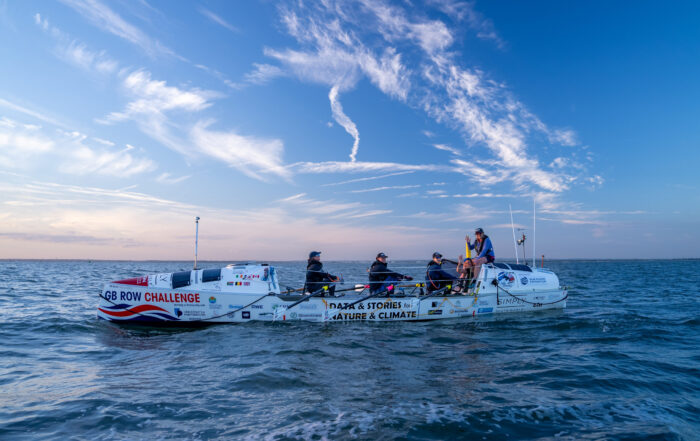
National survey finds microplastic pollution around Britain’s coastline could be double than previously recorded
Microplastic pollution in the seas around Great Britain has been found at significantly higher concentrations than previously recorded by a joint project between the University of Portsmouth and GB Row Challenge. Data collected during the [...]
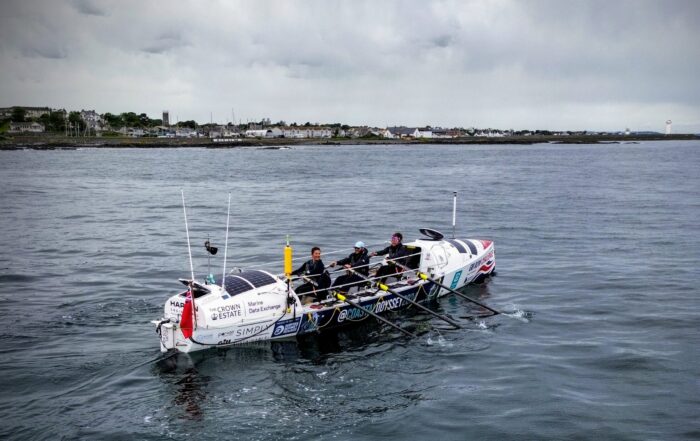
The Crown Estate joins GB Row Challenge as lead environmental data partner
The Crown Estate has partnered with GB Row Challenge, the endurance rowing race which collects vital scientific data on the health of UK coastal waters. GB Row Challenge, described as ‘the world’s toughest rowing race’, [...]